A Few Days In The South Island
I hope you aren’t thinking that I never do any work, but we just got back from another trip, this time to the South Island of NZ.
The South Island is considerably different than the North Island. The main difference is that the North Island is subtropical while the South is temperate and that means you get a change of seasons.
We have toured the South Island several times in the past but always in late spring or summer and we’ve been talking about taking a trip down to check out the fall foliage for a long time. We’ve also been wanting to visit our friends, René and Marianne, who have a bed and breakfast by Lake Tekapo, population 350.
That’s another thing that makes the South Island different–the absence of people. The population of NZ is about 4.4 million and about 3.3 million of them live in the slightly smaller North Island. Of the 1.1 million in the South Island, about half live in the cities of Christchurch, Dunedin and Nelson. The rest live on farms or in small, quaint towns.
We flew into Christchurch and left from Dunedin—here was our route:
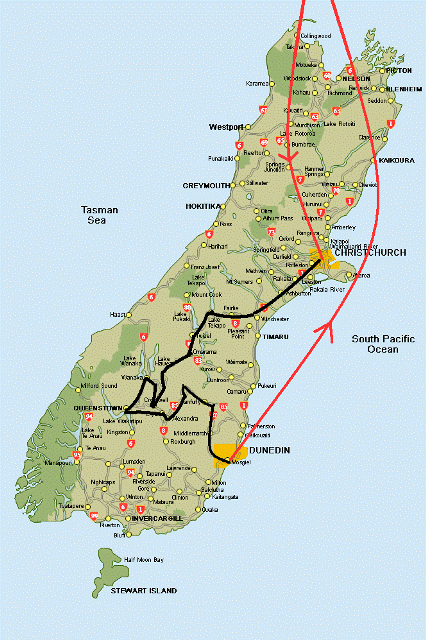
We arrived in Christchurch early in the morning and picked up our rental car. We did a leisurely drive, enjoying the quiet roads and sights along the way:

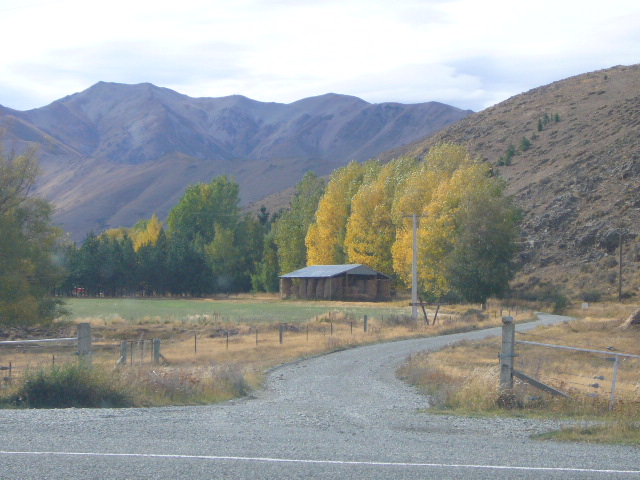
By lunchtime we were at Lake Tekapo.
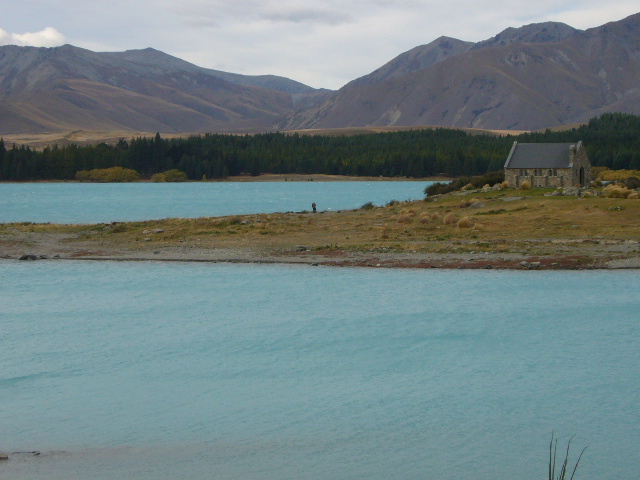
That’s not the B&B! It is called The Church of the Good Shepherd and it is the church in Lake Tekapo and a very popular wedding venue.
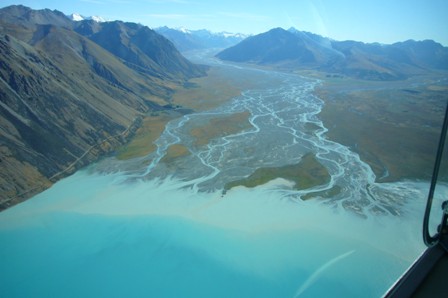
Lake Tekapo is on the edge of the Southern Alps, a mountain range that dominates a lot of the central South Island and René is a mountain guide. Aoraki Mt. Cook, which is the highest mountain in NZ, is where Sir Edmund Hillary trained before he climbed Mt. Everest. The lake itself is the result of glacial runoff and the silt and minerals in the water give it an amazing green/blue color.
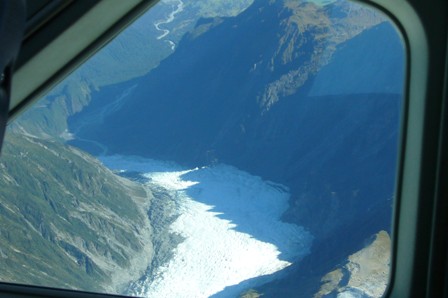
René and Marianne treated us to a scenic flight over the mountains. I sat right behind the pilot and it was like the opening scene of Where Eagles Dare. We would be flying straight at a mountain and the pilot would be pointing out the window explaining some interesting feature and I wanted to say, “Excuse me, you wanna have a look at what’s looming in the windshield?”
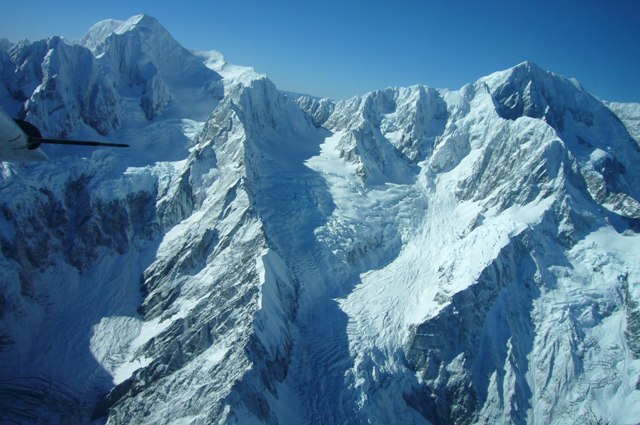
This is one of the glaciers:
This picture shows the glacial water flowing into the lake so you can see the unusual colouring:
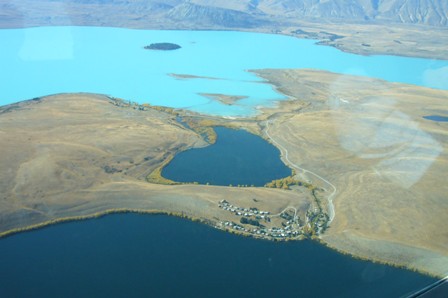
And if you still don’t believe me, here is Lake Tekapo next to two neighboring spring-fed lakes:
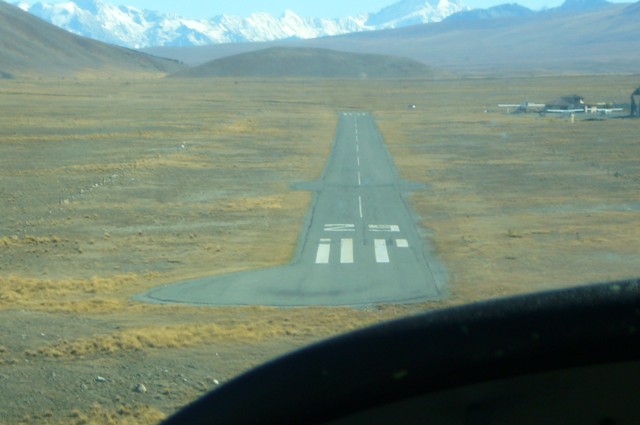
I love this airport:
Another interesting thing about Lake Tekapo is that there is an observatory there operated by Canterbury University in Christchurch. They are applying for World Heritage status as part of the Dark Sky project because there is so little light pollution and it is a great place to observe the stars. It is amazing. There are so many stars that you have trouble picking out the constellations that we are used to seeing. René also does volunteer guide work for the observatory and gave us a night time lecture in the comfort of his back yard. We also visited the observatory by day.
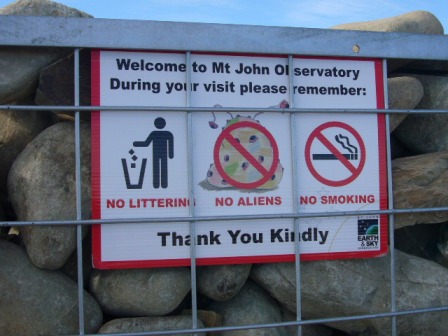
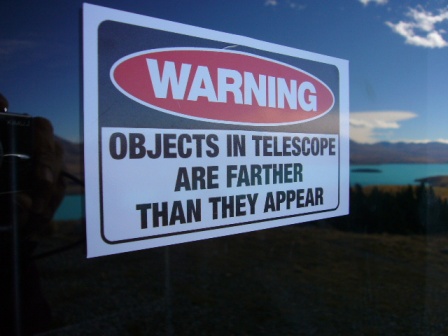
We got a tour of the telescope and an explanation of the projects they are working on. I’d love to tell you all about it, but I didn’t understand much! It has to do with dark matter and searching for other solar systems.
Back on Earth, we learned that euphemisms are alive and well everywhere:
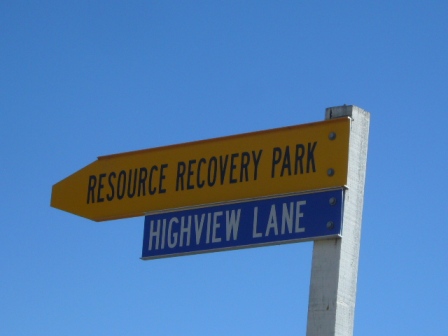
You guessed it. The Resource Recovery Park is the local landfill.
After a couple of relaxing days enjoying René and Marianne’s hospitality, we headed south towards Lake Wanaka. We took the back roads:

The road wasn’t bad, but when I saw this vehicle I really wanted to have one just like it!

As we went further south we saw more and more evidence of autumn. It wasn’t exactly New England but it was more than enough to set the mood:

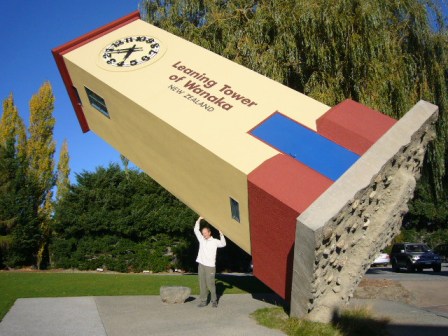
Lake Wanaka is famous for the lake, great views and Puzzling World which is a fun museum with all sorts of interesting scientific phenomena and a huge maze that can take hours to get through.
Don’t you hate it when people do things like this?
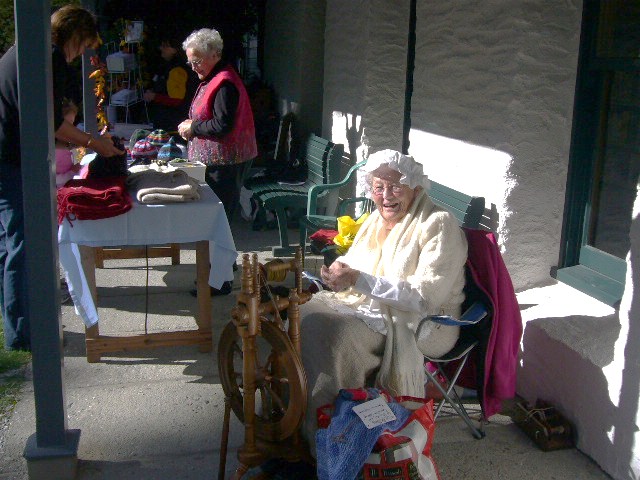
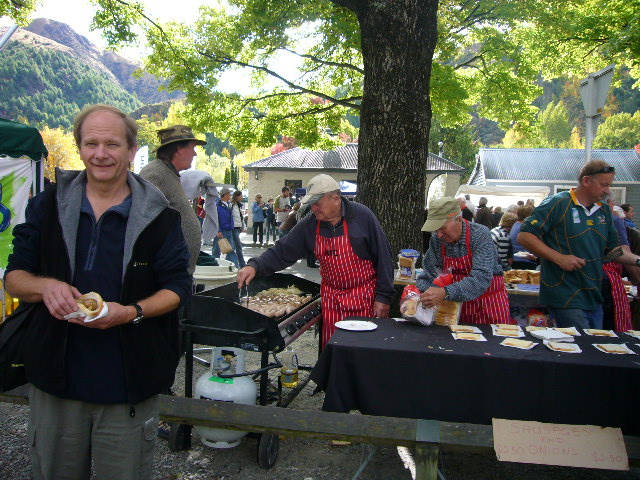
From Wanaka we headed to Arrowtown, population 4,000. It used to be a gold mining town and they have tried to maintain some of the old time look and feel. Their Autumn Festival was in full swing and it seemed as if everyone was out celebrating:
Here I am enjoying the standard fare at any NZ outing—a sausage!
We then went on to Queenstown, which is NZ’s vacation headquarters with skiing in winter and Xtreme sports in summer. Bungy jumping was invented there. I did not partake.
The best thing to do in Queenstown is to drive along the lake up to Glenorchy which is one of the most beautiful places I’ve ever seen. Peter Jackson thought so too and several scenes from Lord of the Rings were filmed in the area. In case you are a fan and wondering which ones, they include Lothlorien, Amon Hen, Nen Hithoel, Amon Lhaw, Parth Galen, the Ford of Bruinen, The Pillars of the King on the River Anduin, and the site of Gandalf’s ride to Isengard.
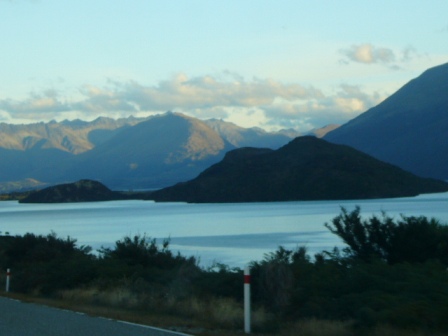

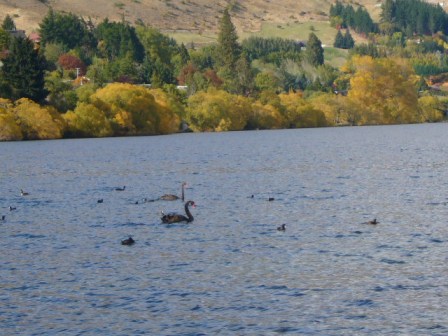
We left Queenstown and drove on toward Dunedin. We tried to find interesting sights and towns on the way. Here are black swans at Lake Hayes outside of Cromwell:
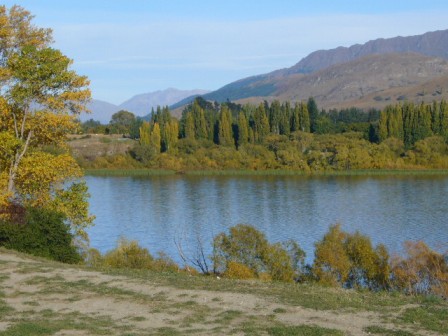
We stopped in St. Bathans, an old gold mining town, current permanent population 6. They used a brute force method of mining which basically consisted of washing the dirt off the ore with giant hoses. It has left permanent scars on the landscape but also created a nice lake:

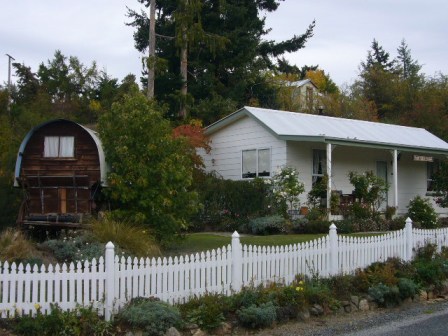
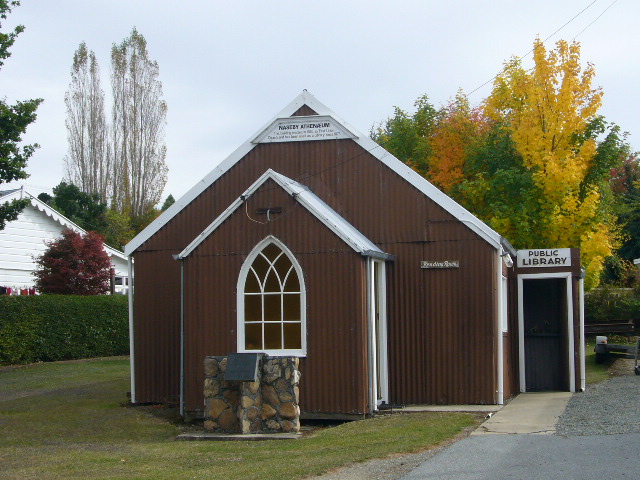
And Naseby, population 120:

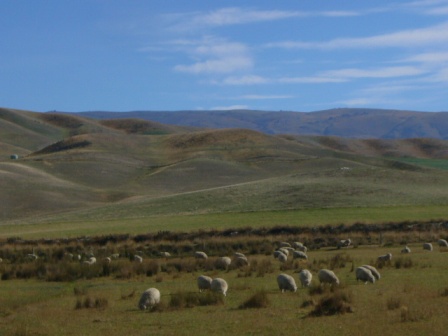
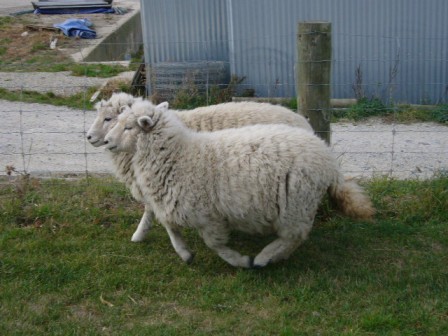
Oh, and I almost forgot! They’re everywhere!
It was a wonderful trip filled with beautiful scenery and great people. I can’t say I’m ready to move to a town with the population in four figures or less. But at least it’s nice to know they are out there and that they always have the welcome mat out.


 testazyk.com